How I Mastered Art Training Costs with Smarter Financial Moves
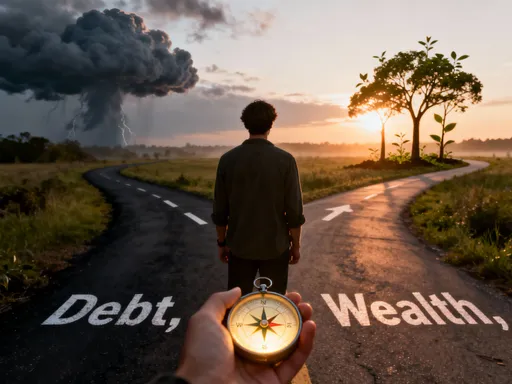
Paying for art training felt overwhelming at first—endless supplies, steep tuition, and hidden fees draining my budget. I tried cutting corners, but that only led to frustration. Then I shifted my mindset: what if financial planning wasn’t just about saving, but about investing in creativity wisely? This is the real talk on turning art education from a financial burden into a sustainable journey, without sacrificing quality or passion. What follows is not a get-rich-quick scheme or a call to live on ramen noodles for months. It’s a practical, tested approach that helped me stay in school, finish projects on time, and graduate without debt—while still buying the right brushes, software, and materials I needed. If you’re balancing art school with a tight budget, this guide is for you.
The Hidden Price of Creativity
When most people think of art school, they picture tuition as the main cost. But the reality is far more complex. Tuition is just the starting point. Behind it lies a web of recurring and often unexpected expenses that can quietly erode even the most carefully planned budgets. Studio access fees, specialized software subscriptions, printing costs, model fees for life drawing classes, travel to exhibitions or field trips—these are all common yet frequently overlooked charges. For example, a digital artist may assume a one-time purchase of drawing software is enough, only to later discover that updates, plug-ins, or cloud storage come with monthly fees. A painter might budget for canvas and paint but forget the cost of proper ventilation systems or easels that meet studio requirements.
These hidden costs accumulate quickly, especially when learning across multiple mediums or advancing into portfolio development. Certification exams, portfolio printing, framing for gallery submissions, and professional photography of artwork for online presentation all add layers of expense. A survey by the National Association of Schools of Art and Design found that students typically spend between 20% and 40% of their tuition amount annually on supplementary materials and services. That means if tuition is $15,000 per year, an additional $3,000 to $6,000 may be needed just to keep up. This financial strain often leads learners to compromise on materials, skip essential courses, or abandon projects midway—harming both skill development and confidence.
Understanding the full financial footprint of art education is not about discouragement; it’s about empowerment. When you map out every potential cost in advance, you gain control. You stop reacting to surprises and start planning for them. This awareness allows you to make informed decisions—like choosing a program with included studio access or timing material purchases around academic cycles. It also helps you communicate more effectively with financial aid offices, as many institutions offer hidden grants or material stipends that students don’t know to ask for. The first step toward financial sustainability in art training is simply seeing the whole picture, not just the price tag on the brochure.
Why Traditional Budgeting Falls Short
Most budgeting tools are designed for predictable, linear expenses—rent, groceries, student loans with fixed payments. But art education doesn’t follow a straight line. Projects change from semester to semester. A ceramics student might need a kiln one term and only hand tools the next. A graphic designer may require high-end software during branding modules but minimal tech during concept sketching phases. Traditional budgets fail because they treat art training like a standard academic program with static costs, rather than a dynamic, evolving process where financial needs shift with creative growth.
Rigid planning often leads to either overspending or under-resourcing. When learners allocate the same amount each month regardless of project demands, they end up either straining to afford critical tools during peak periods or wasting money during low-activity months. This mismatch creates stress, disrupts workflow, and can even influence creative choices—artists may avoid certain mediums or techniques simply because they can’t afford them at that moment, not because they lack interest or talent. The psychological toll is real: financial inflexibility can make learners feel trapped, as though their creativity is being rationed by their bank account.
A better approach is phase-based financial planning. This model aligns budgeting with the actual stages of artistic development—foundation, exploration, specialization, and portfolio building. Each phase has distinct cost profiles. Foundation work may require broad but basic supplies, while specialization demands high-quality, medium-specific tools. By mapping expenses to these phases, learners can anticipate needs and adjust spending accordingly. For instance, a student might save aggressively during foundational courses to fund a high-cost printing project later. This method turns budgeting into a strategic tool rather than a restrictive rulebook. It allows for intentional investment in key areas while minimizing waste in others. The result is not just financial efficiency but greater creative freedom—knowing that resources will be available when they matter most.
Building a Resilient Art Education Fund
One of the most effective financial moves I made was creating a dedicated art education fund. This wasn’t a large lump sum, but a steadily growing account specifically for training-related expenses. The purpose was simple: to act as a buffer against surprises and ensure uninterrupted progress. Instead of scrambling for cash when a new software license was needed or a portfolio showcase required professional printing, I could draw from this fund with confidence. The peace of mind it provided was invaluable—financial anxiety diminished, and my focus returned to creativity.
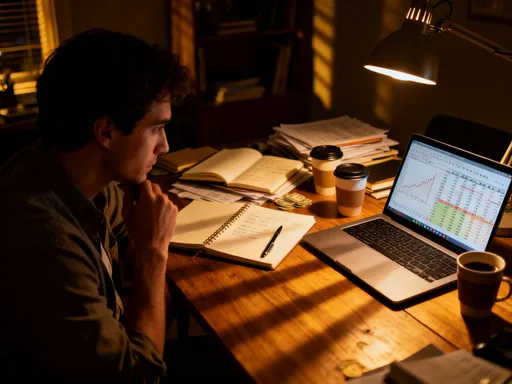
Setting up this fund didn’t require a windfall. It started with small, automated transfers—just $50 per paycheck, timed to coincide with my income cycle. The key was consistency, not size. Over time, these contributions added up. I also linked the fund to income from small creative gigs, such as selling prints at local markets or offering basic design help to community organizations. Each time I earned a little extra, a portion went directly into the fund. This alignment between earning and saving reinforced the idea that my art wasn’t just a cost—it was also a potential source of income, even during training.
Realistic timeframes were crucial. I set milestones: $500 in six months, $1,200 in a year. These targets were based on my projected expenses, not arbitrary goals. When I reached a milestone, I allowed myself a small reward—like a new sketchbook or a museum visit—but kept the main fund intact. This balance of discipline and encouragement made the process sustainable. The fund wasn’t meant to cover everything, but to absorb shocks and prevent minor setbacks from becoming major disruptions. It became the financial backbone of my training, allowing me to take risks, experiment with new techniques, and invest in quality materials without fear of immediate depletion. In essence, the fund turned financial uncertainty into structured support, making my artistic journey not only possible but stable.
Smart Spending: Where to Invest, Where to Cut
Not all expenses in art training are equal. Some purchases deliver lasting value, while others are situational or temporary. Learning to distinguish between them is a cornerstone of financial wisdom. High-impact investments—like a reliable tablet for digital artists, a foundational anatomy course for figurative painters, or a durable set of oil paints—pay dividends over time. These tools and experiences build skills that last a lifetime and often eliminate the need for repeated spending. On the other hand, consumables like sketch paper, temporary adhesives, or short-term software trials can often be sourced affordably without sacrificing quality.
The rule of thumb is simple: prioritize durability, versatility, and long-term utility. A well-made easel may cost more upfront, but it lasts through years of use and adapts to different studio setups. In contrast, a cheap one may warp or break, forcing replacement and ultimately costing more. Similarly, investing in a comprehensive online course from a reputable instructor can save hundreds of dollars in trial-and-error learning. These are the kinds of expenses worth stretching for. Conversely, areas like temporary props, disposable materials, or niche tools for one-off projects are where savings should be sought.
Timing also plays a critical role in smart spending. Major retailers and art supply companies often run seasonal sales—back-to-school, Black Friday, end-of-year clearance. Planning purchases around these cycles can yield significant savings. For example, buying a year’s supply of ink cartridges during a 30% off sale reduces the per-unit cost and avoids last-minute markups. Student discounts are another powerful tool. Many software companies, including industry-standard design platforms, offer free or heavily discounted licenses to verified students. These can save hundreds of dollars annually. The key is to apply for these benefits early and use them strategically, not just on impulse. Smart spending isn’t about deprivation—it’s about making informed, intentional choices that maximize value without compromising artistic growth.
Income Streams That Fit the Artist’s Life
Earning while learning is one of the most effective ways to reduce financial pressure and build real-world experience. The goal isn’t to work full-time while in school, but to find side income that complements rather than competes with training. Freelance design work, such as creating logos for small businesses or formatting social media graphics, offers flexible hours and direct application of classroom skills. Teaching beginner art workshops at community centers or online platforms allows learners to reinforce their own knowledge while earning. Selling digital art prints through reputable marketplaces provides passive income with minimal ongoing effort.
What makes these opportunities sustainable is their alignment with current skill levels and time availability. A first-year student might start with simple coloring page designs or custom greeting cards, gradually building a portfolio and client base. As skills improve, so can the scope and pricing of services. The income doesn’t have to be large—just enough to cover material costs or contribute to the education fund. This creates a virtuous cycle: earning enables better tools, which improve work quality, which attracts more clients. Over time, this not only reduces reliance on loans or family support but also builds professional confidence.
Success in this area depends on boundaries. It’s easy to take on too much and risk burnout, especially when deadlines pile up. The solution is to set clear limits—no more than 10 to 15 hours per week during intense academic periods, for example. It also helps to batch tasks: design several pieces in one session, schedule client communications on specific days, or use templates to streamline repetitive work. These practices protect creative energy while maintaining productivity. Ultimately, side income isn’t just about money—it’s about proving that artistic skills have value in the real world, a powerful motivator during challenging times.
Risk Control: Avoiding Financial Burnout
Financial burnout is a silent threat in creative education. It doesn’t happen all at once, but through a series of small pressures—a missed payment, a broken tool, a delayed gig payout. Over time, these stressors erode motivation and can lead to dropping out, even for passionate learners. The antidote is proactive risk management. Just as artists prepare for creative challenges, they must also prepare for financial ones. This means building safeguards into the financial plan, not waiting for crises to strike.
An emergency buffer is essential. This is a separate savings pool—ideally covering three to six months of essential art-related expenses—set aside for true emergencies, like sudden medical issues or equipment failure. Unlike the education fund, which supports planned costs, this buffer is for the unexpected. It prevents small setbacks from becoming catastrophic. Equipment insurance is another overlooked protection. High-value items like graphics tablets, cameras, or specialized machinery can be covered under renter’s insurance or specialized policies, reducing the impact of loss or damage.
Equally important are clear exit points. There should be predefined thresholds for when to pause or adjust training if financial strain becomes unsustainable. For example, a student might decide to take a semester off if the education fund drops below a certain level, rather than accumulating debt. This isn’t failure—it’s responsible planning. It preserves long-term goals by avoiding short-term damage. Risk control isn’t about pessimism; it’s about ensuring that financial obstacles don’t derail artistic aspirations. With these safeguards in place, learners can move forward with greater confidence, knowing they have a safety net if things go off track.
From Training to Financial Confidence
The ultimate goal of art education is not just technical mastery, but the ability to sustain a creative life. What many don’t realize is that financial discipline is a core part of that sustainability. The habits built during training—tracking expenses, planning for phases, creating buffers, earning strategically—don’t disappear after graduation. They become the foundation of a stable creative career. Artists who emerge with both skills and financial wisdom are better equipped to navigate freelance work, manage client payments, and invest in their growth without constant money stress.
Disciplined planning transforms the learning experience in profound ways. It reduces anxiety, sharpens focus, and allows for deeper engagement with the craft. When financial worries fade, creativity flourishes. Projects are completed not because they’re required, but because there’s the time, tools, and mental space to do them well. This shift doesn’t stifle art—it protects it. It ensures that passion isn’t derailed by preventable financial missteps.
Looking back, I realize that mastering art training costs wasn’t about cutting corners or living frugally. It was about making smarter, more intentional financial moves that honored my creativity. I didn’t sacrifice quality for savings; I aligned my finances with my values. The result was not just a debt-free education, but a mindset that continues to serve me today. Financial confidence, like artistic skill, is built over time. And for any artist balancing dreams with dollars, it’s one of the most valuable investments they can make.