How I Balanced Medication and Daily Life—A Real Talk on Smarter Healing
Living with a condition that requires medication isn’t just about pills—it’s about managing your whole life around them. I’ve been there: confused routines, missed doses, side effects messing with my energy. But over time, I learned how small lifestyle tweaks made a real difference. This isn’t medical advice—always check with your doctor—but these changes helped me feel more in control, more consistent, and honestly, a bit better every day. The truth is, healing doesn’t happen in isolation. It’s shaped by sleep, meals, movement, and even how we think about our health. When medication is part of daily life, the real challenge isn’t just taking the pill—it’s building a life that supports it.
The Hidden Struggle Behind Taking Medication Every Day
For many women managing long-term health conditions, the daily act of taking medication can carry an emotional weight that’s rarely discussed. It’s not just about remembering a pill—it’s about confronting the reality of living with a diagnosis, sometimes for years or even decades. There’s a quiet burden in seeing that pill bottle every morning, a silent reminder that your body isn’t functioning as it once did. This can stir up feelings of frustration, loss, or even shame, especially when others seem to manage without such routines. Over time, these emotions can build into mental fatigue, making it harder to stay consistent with treatment.
Forgetfulness is one of the most common challenges, particularly for women juggling caregiving, household responsibilities, and work. A missed dose isn’t always due to negligence—it often results from an overloaded schedule or mental exhaustion. Fatigue, both from the condition and the medication itself, can further disrupt routines. Some women report feeling sluggish in the mornings, making it harder to start the day with their prescribed regimen. Others struggle with nighttime medications, either forgetting them or waking up disoriented after taking them. These small lapses, when repeated, can impact treatment effectiveness and lead to feelings of guilt or failure.
Fear of dependency is another underrecognized issue. Many worry that relying on medication means their body is no longer capable of healing on its own. This fear can lead to hesitation, skipped doses, or even attempts to taper off without medical guidance. It’s important to recognize that needing medication doesn’t reflect weakness—it reflects a condition that requires medical support, much like wearing glasses for vision. The goal isn’t to eliminate all medication but to use it wisely as part of a broader health strategy. When daily habits like sleep, eating, and stress management are out of sync, they can clash with treatment plans, making symptoms harder to control. For example, eating at irregular times may affect how a medication is absorbed, while high stress can worsen inflammation or blood pressure, counteracting the intended benefits.
Understanding these hidden struggles is the first step toward better management. Acknowledging the emotional toll, the practical hurdles, and the fear that often accompanies long-term medication use allows for more compassionate self-care. It shifts the focus from blame to problem-solving, from isolation to empowerment. When women recognize that they’re not alone in these challenges, they can begin to seek solutions that fit their real lives—not just idealized versions of health. Support from healthcare providers, family, or trusted communities can make a meaningful difference in maintaining consistency and emotional well-being.
Why Lifestyle Matters Just as Much as the Prescription
Medication is often the cornerstone of treatment, but it doesn’t work in a vacuum. Its effectiveness is deeply influenced by daily lifestyle factors such as sleep quality, nutrition, physical activity, and stress levels. Think of medication as a key tool in a larger toolkit—powerful, but not the only one. Research consistently shows that patients who maintain stable routines tend to have better treatment outcomes, whether they’re managing chronic pain, autoimmune conditions, or hormonal imbalances. This isn’t about replacing medicine with lifestyle changes; it’s about creating conditions where the medicine can work as intended.
Sleep, for instance, plays a critical role in the body’s ability to regulate hormones, repair tissues, and process medications. Poor or inconsistent sleep can interfere with liver function, which is responsible for metabolizing many drugs. If the liver is overworked due to sleep deprivation, it may not process medication efficiently, leading to either reduced effectiveness or increased side effects. Similarly, chronic stress triggers the release of cortisol, a hormone that can elevate blood pressure, suppress immune function, and disrupt digestion—all of which can undermine the goals of treatment. When stress is high, even well-managed conditions can flare up, requiring dosage adjustments or additional interventions.
Diet is another powerful influencer. Certain foods can enhance or inhibit the absorption of medication. For example, calcium-rich foods or supplements may interfere with the uptake of some antibiotics or thyroid medications if taken at the same time. On the other hand, a balanced diet rich in fiber, healthy fats, and antioxidants supports gut health and liver function, both of which are essential for proper medication processing. Hydration also matters—many women don’t drink enough water, which can lead to constipation, especially if their medication already slows digestion. These small imbalances may seem minor, but over time, they can add up and affect how well a treatment works.
The science is clear: routine stability improves treatment adherence and outcomes. A study published in the Journal of General Internal Medicine found that patients with structured daily habits were 30% more likely to take their medication consistently than those with irregular schedules. This isn’t about perfection—it’s about creating predictability. When meals happen at similar times each day, when bedtime is consistent, and when stress is managed through small, sustainable practices, the body operates in a more balanced state. This balance allows medication to function more effectively, often with fewer side effects. Lifestyle doesn’t replace medical treatment; it creates the foundation that allows it to succeed.
Building a Routine That Works *With* Your Treatment
One of the most effective ways to improve medication adherence is to integrate it into an existing daily routine. This approach, known as habit stacking, leverages the brain’s natural tendency to link behaviors. For example, taking medication right after brushing your teeth in the morning ties the new habit to one that’s already automatic. The key is consistency—not intensity. It’s better to take your pill at the same time every day, even if it’s not the “perfect” time, than to aim for ideal timing and miss doses when life gets busy. Over time, this consistency builds reliability, reducing the mental load of remembering.
Timing medication with meals or sleep cycles can also improve tolerance and effectiveness. Some medications are meant to be taken with food to reduce stomach upset or enhance absorption. Others work best on an empty stomach. Understanding these details—and aligning them with your natural rhythm—can make a noticeable difference. For instance, if you’re someone who eats breakfast at 7:30 a.m. every day, scheduling your morning dose for 7:45 makes it easier to remember and more likely to be taken correctly. Similarly, if you have a nighttime medication, linking it to your bedtime routine—like after washing your face or right before turning off the light—can prevent missed doses.
Environmental cues are another powerful tool. Keeping medication in a visible, designated spot—like next to the coffee maker or beside your toothbrush—acts as a visual reminder. Pill organizers with labeled compartments for each day of the week reduce decision fatigue and make it easy to see if a dose was missed. Some women find success using smartphone alarms or calendar alerts, especially during the first few weeks of a new regimen. The goal isn’t to rely on willpower but to design a system that supports you, even on chaotic days.
It’s also important to build flexibility into the routine. Life doesn’t always go as planned—travel, family events, or unexpected responsibilities can disrupt even the best systems. Having a backup plan, like a portable pill case or a reminder note in your purse, helps maintain consistency. The focus should be on progress, not perfection. Missing a dose once doesn’t mean failure; it’s an opportunity to adjust the system. Over time, small, repeatable habits create a structure that supports long-term success without feeling overwhelming.
Food, Energy, and How They Influence Your Healing Journey
Nutrition plays a direct role in how medication is absorbed, metabolized, and tolerated. The food you eat can either support or interfere with your treatment, depending on timing, composition, and individual sensitivity. For example, grapefruit and grapefruit juice are well-known for interacting with certain medications, including some cholesterol-lowering drugs and blood pressure medications, by altering how the liver processes them. These interactions can lead to higher drug levels in the blood, increasing the risk of side effects. While not everyone needs to avoid grapefruit, it’s important to check with a healthcare provider about potential food-drug interactions specific to your prescription.
Other common foods can also impact medication. High-fiber meals may slow the absorption of some drugs, while fatty foods can enhance the uptake of others. Iron supplements, often taken for anemia, can interfere with the effectiveness of thyroid medication if taken too close together. The solution isn’t to eliminate these foods but to space them out—taking thyroid medication on an empty stomach and waiting 30 to 60 minutes before eating, for instance. These small adjustments, when done consistently, help ensure that medication works as intended.
Energy levels are closely tied to both diet and medication. Blood sugar fluctuations from skipping meals or eating highly processed foods can worsen fatigue, brain fog, or mood swings—symptoms that may already be present due to a health condition or medication side effects. Eating regular, balanced meals with a mix of protein, complex carbohydrates, and healthy fats helps stabilize energy throughout the day. Simple changes, like adding nuts to breakfast or including a small protein-rich snack in the afternoon, can make a noticeable difference in how you feel.
It’s also important to avoid extreme dietary changes without medical input. Some women turn to restrictive diets in hopes of reducing medication use, but this can be risky. Sudden elimination of entire food groups may lead to nutrient deficiencies or unintended interactions. For example, very low-sodium diets can affect the balance of certain medications used for heart or kidney conditions. The goal isn’t dietary perfection but sustainable, balanced eating that supports overall health and treatment goals. Working with a registered dietitian or doctor can help tailor nutrition choices to individual needs without compromising safety.
Moving More Without Overdoing It—Gentle Activity That Helps
Physical activity is often recommended as part of a holistic health plan, but for women managing chronic conditions, the idea of exercise can feel intimidating or even discouraging. The good news is that healing doesn’t require intense workouts or hours at the gym. In fact, gentle, consistent movement is often more beneficial than sporadic, high-effort exercise. Activities like walking, stretching, or light yoga can improve circulation, reduce stiffness, and support mental well-being—all of which complement medication-based treatment.
Walking is one of the most accessible forms of movement. Just 20 to 30 minutes a day can improve cardiovascular health, regulate blood sugar, and boost mood through the release of endorphins. For women who spend long hours sitting, even short walks after meals can aid digestion and help medications that affect metabolism work more efficiently. The key is to start small and build gradually. If walking for 30 minutes feels like too much, begin with five or ten and increase over time. The goal is consistency, not speed or distance.
Stretching and mobility exercises are especially helpful for those dealing with joint pain, stiffness, or fatigue. Gentle stretching in the morning can ease muscle tension and improve range of motion, making daily tasks easier. Practices like tai chi or restorative yoga combine movement with breathwork, which helps regulate the nervous system and reduce stress—a known trigger for many chronic conditions. These activities don’t have to be long; even 10 minutes a day can create meaningful benefits.
Safety is essential. Listening to your body and respecting its limits prevents injury and burnout. Some medications can affect balance, blood pressure, or heart rate, so it’s important to choose activities that match your current energy and physical capacity. If you feel dizzy, short of breath, or unusually fatigued during movement, it’s a sign to slow down or stop. Always consult with a healthcare provider before starting a new activity, especially if you have heart, lung, or neurological concerns. The aim is to support healing, not push beyond safe boundaries.
Mindset Shifts That Actually Make a Difference
How we think about our health can significantly influence how we feel. Many women experience shame or frustration about needing medication, viewing it as a sign of personal failure or loss of control. These feelings are common but unhelpful—they add emotional strain that can worsen physical symptoms. A shift toward self-compassion can change this dynamic. Instead of judging yourself for needing treatment, consider medication as a tool you’re using wisely to care for yourself. Just as you wouldn’t criticize someone for wearing glasses or using insulin, there’s no reason to feel ashamed of using medication to manage a health condition.
Progress-focused thinking is another powerful mindset shift. Rather than measuring success by whether you’re “cured,” focus on small improvements: taking your medication consistently, eating one more balanced meal, walking a little farther. These micro-wins build momentum and reinforce positive behaviors. Over time, they lead to greater confidence and stability. It’s also helpful to reframe setbacks as learning opportunities rather than failures. If you miss a dose, instead of reacting with guilt, ask yourself what caused it—was it a busy morning, a change in routine?—and adjust your system accordingly.
Reducing mental pressure often leads to better physical outcomes. Chronic stress keeps the body in a heightened state, which can interfere with healing. When women practice self-kindness and let go of unrealistic expectations, they create space for real progress. Talking to a trusted friend, journaling, or working with a counselor can help process difficult emotions. Mindfulness practices, such as deep breathing or brief meditation, can also calm the mind and improve emotional resilience. These strategies don’t replace medical care, but they support it by creating a more balanced internal environment.
Putting It All Together—My Simple Daily Framework
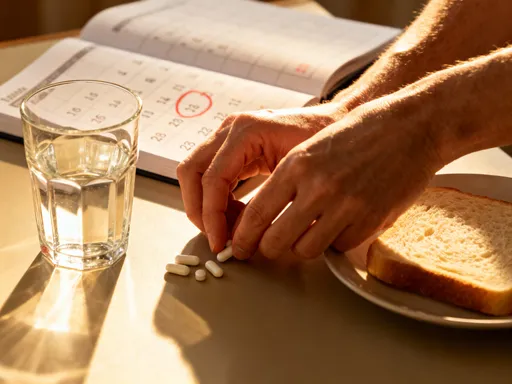
After years of trial and error, I developed a flexible daily structure that helps me stay consistent with medication while supporting my overall well-being. It’s not rigid or demanding—instead, it’s built around cues, simplicity, and gentle accountability. Each morning starts with a glass of water and my medication, taken right after brushing my teeth. I keep my pill organizer on the bathroom counter so it’s impossible to miss. Breakfast follows 30 minutes later, with a mix of protein and whole grains to stabilize energy.
Throughout the day, I aim for light movement—usually a 20-minute walk after lunch. I’ve set a reminder on my phone to stand and stretch every few hours, especially if I’ve been sitting. Dinner is eaten at a consistent time, and I avoid heavy meals late at night to prevent digestive discomfort. My evening routine includes reviewing my pill organizer to ensure I haven’t missed anything and preparing for the next day. Once a week, I do a quick check-in: How am I feeling? Are there patterns in missed doses or low energy? This helps me make small adjustments before issues grow.
This framework works because it’s realistic. It doesn’t require drastic changes or perfect discipline. Instead, it uses time-based cues, environmental supports, and weekly reflection to maintain balance. The most important part, however, is partnership with my healthcare provider. I share my observations during appointments, ask questions about interactions or side effects, and never make changes without guidance. This collaborative approach ensures that my lifestyle choices enhance, rather than interfere with, my treatment.
True healing isn’t just about what’s in the pill bottle—it’s about how you live around it. By aligning medication with smarter daily choices, I found greater balance, fewer setbacks, and renewed hope. This journey isn’t perfect, but it’s progress. And with professional guidance, every small step counts.