How Massage Therapy Supercharged My Workout Recovery
Ever feel like your muscles never truly recover after a hard workout? I used to push through soreness, thinking it was just part of the grind—until I gave massage therapy a real try. It wasn’t a magic fix, but over time, the difference was undeniable: less stiffness, better mobility, and way more energy for my next session. This isn’t about instant miracles—it’s about consistent, science-backed support that works *with* exercise, not against it. Recovery is not downtime. It’s when the body rebuilds, strengthens, and prepares for what’s next. Ignoring it can lead to burnout, injury, and stalled progress. This is the story of how integrating massage into my fitness routine transformed not just my physical performance, but my entire relationship with movement and self-care.
The Aching Truth: When Exercise Backfires
For years, I believed soreness was a badge of honor. If I wasn’t stiff the next day, had I even worked hard enough? I’d wake up after a tough session barely able to bend over, wincing when I stood from a chair, and dreading stairs. I assumed this was normal—part of the process of getting stronger. But over time, the discomfort didn’t just fade between workouts; it accumulated. My range of motion shrank, my energy dipped, and I began skipping sessions not because I lacked motivation, but because my body simply wouldn’t cooperate.
This experience is far from unique. Many regular exercisers face the same challenge: persistent muscle tightness, lingering fatigue, and a growing sense of physical resistance. What many don’t realize is that these symptoms are signs the body is struggling to recover. One of the most common culprits is delayed onset muscle soreness, or DOMS. This occurs when muscles experience microscopic damage during intense or unfamiliar exercise, especially activities involving eccentric contractions—like lowering weights or running downhill. The soreness typically peaks 24 to 72 hours after the workout and is accompanied by temporary reductions in strength and flexibility.
While DOMS is a natural part of the adaptation process, chronic or severe soreness can interfere with training consistency and performance. When muscles remain inflamed and tight, they don’t repair efficiently. This increases the risk of overuse injuries, such as tendonitis or muscle strains. Moreover, tight muscles can pull on joints and affect posture, leading to discomfort in the neck, back, or hips. Poor recovery also disrupts sleep, as physical tension makes it harder to relax. The cycle becomes self-defeating: you train hard, feel sore, skip a session, lose momentum, then push harder the next time to compensate—only to feel worse afterward.
The reality is that exercise creates stress—specifically, controlled stress that prompts the body to grow stronger. But without adequate recovery, that stress accumulates. Overtraining without sufficient rest can weaken the immune system, disrupt hormone balance, and lead to long-term fatigue. The body needs time and support to repair tissues, replenish energy stores, and restore equilibrium. Ignoring this need doesn’t make you tougher; it makes you more vulnerable. Recognizing this shift—from glorifying pain to prioritizing recovery—was the first step toward a healthier, more sustainable fitness journey.
Why I Tried Massage—And Why I Stayed
My turning point came after months of consistent training with no noticeable progress. I was lifting the same weights, running the same distances, and yet I felt heavier, slower, and more fatigued than when I started. My energy levels dipped mid-afternoon, and I noticed I was favoring one side when I walked. A physical therapist I consulted suggested I might be overworking certain muscle groups while underusing others, leading to imbalances. She recommended I consider massage therapy as a way to release chronic tension and improve muscle function.
I was skeptical at first. To me, massage had always been a luxury—something people did on vacation or as a treat after a big event. I couldn’t imagine paying for something that didn’t directly build strength or burn calories. But I was tired of feeling stuck. I decided to give it a try, not as a spa indulgence, but as a serious recovery tool.
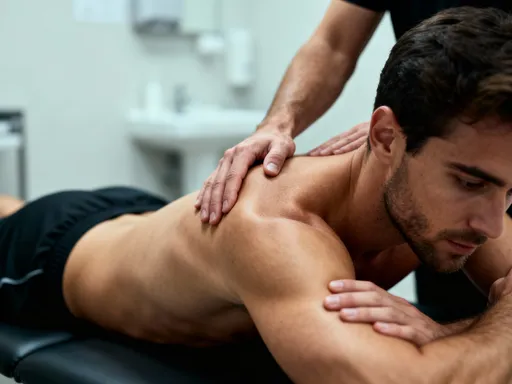
My first session was with a licensed massage therapist who specialized in sports and fitness recovery. I described my routine, my pain points, and my goals. She used a combination of techniques, starting with light Swedish massage to warm up the tissues, then moving into deeper pressure on my shoulders, glutes, and hamstrings—areas I knew were chronically tight. The sensation was intense but not unbearable. It wasn’t pain for pain’s sake; it felt like pressure on areas that had been holding tension for years.
What surprised me most was how I felt afterward. I didn’t walk out feeling loose in a fleeting way, but with a deeper sense of physical ease. That night, I slept more soundly than I had in weeks. Over the next few days, I noticed my shoulders didn’t hunch forward as much, and my hamstrings felt more responsive during stretching. I didn’t feel “fixed,” but I felt more like my body was cooperating again. I returned for a second session two weeks later and began to see a pattern: after each massage, my workouts felt more efficient, my movements smoother, and my recovery faster. It wasn’t about avoiding soreness altogether—it was about reducing the duration and severity of it. That consistency is what made me commit to making massage a regular part of my routine.
How Massage Actually Works with Your Body
One of the biggest misconceptions about massage therapy is that it “flushes out toxins” from the muscles. While that phrase is commonly used, it’s not scientifically accurate. The real benefits of massage are far more grounded in physiology. When a therapist applies pressure to muscle tissue, it stimulates blood flow to the area. Increased circulation delivers more oxygen and nutrients to the muscles while helping remove metabolic waste products like lactic acid—though lactic acid clears from the body within hours after exercise, so it’s not the main source of soreness days later.
More importantly, massage helps reduce muscle tension and break up adhesions—knots or stiff bands of tissue that can form after repetitive strain or injury. These adhesions restrict movement and contribute to discomfort. By applying targeted pressure, massage can help restore normal muscle length and function. This is especially valuable for people who spend long hours sitting, as postural muscles like the hip flexors and chest can become chronically shortened, pulling the body out of alignment.
Massage also influences the nervous system. The body has two main branches of the autonomic nervous system: the sympathetic (responsible for “fight or flight”) and the parasympathetic (responsible for “rest and digest”). Intense exercise activates the sympathetic system, increasing heart rate and stress hormones like cortisol. While this is necessary for performance, chronic activation can impair recovery. Massage has been shown to stimulate the parasympathetic nervous system, promoting relaxation, lowering heart rate, and reducing cortisol levels. This shift allows the body to enter a state more conducive to healing.
Research supports these effects. A study published in the journal *Science Translational Medicine* found that massage after strenuous exercise reduced the production of inflammatory cytokines—molecules involved in muscle damage and soreness. It also increased mitochondrial biogenesis, a process that helps cells produce energy more efficiently. These changes suggest that massage doesn’t just make you feel better temporarily; it may actually enhance the body’s ability to repair itself at a cellular level. While massage isn’t a substitute for sleep or nutrition, it acts as a powerful adjunct—helping the body transition from a state of breakdown to one of recovery.
What Science Says About Exercise and Recovery
Exercise, by design, causes stress to the body. When you lift weights, run, or engage in high-intensity training, you create micro-tears in muscle fibers. This damage is not harmful—it’s the trigger for growth. During recovery, the body repairs these fibers, making them stronger and more resilient. This process, known as muscle adaptation, is what leads to gains in strength, endurance, and performance. However, adaptation only occurs if recovery is sufficient. Without it, the body remains in a state of breakdown, and progress stalls.
Recovery is not passive. It’s an active biological process involving inflammation, protein synthesis, and tissue remodeling. Inflammation, often seen as negative, is actually a necessary part of healing. It brings immune cells to damaged areas to clear debris and initiate repair. The problem arises when inflammation becomes chronic—either due to repeated stress without rest or poor recovery habits. This is where interventions like massage can play a supportive role.
Multiple studies have explored the impact of manual therapy on recovery. A review in the *Journal of Athletic Training* concluded that massage can reduce perceived muscle soreness by up to 30% and improve range of motion in the days following intense exercise. Another study found that athletes who received massage after competition returned to training faster and reported fewer minor injuries over time. These benefits are most pronounced when massage is used consistently, not just as a one-time fix after extreme exertion.
It’s important to note that massage is not a standalone solution. It works best as part of a holistic recovery strategy that includes quality sleep, proper hydration, balanced nutrition, and active recovery like light walking or stretching. Sleep, in particular, is when the body releases growth hormone and performs the bulk of tissue repair. Nutrition provides the building blocks—proteins, vitamins, and minerals—needed for muscle regeneration. Massage complements these processes by improving circulation, reducing tension, and calming the nervous system, but it cannot compensate for poor sleep or inadequate fueling. The most effective recovery plans integrate multiple evidence-based practices, with massage serving as one valuable component.
Putting It Into Practice: My Routine
After seeing the benefits of massage, I wanted to make it a sustainable part of my lifestyle—not just something I did occasionally when I was in pain. I settled into a routine that balanced frequency, timing, and cost. During periods of intense training, such as preparing for a race or increasing my strength workload, I schedule a massage every one to two weeks. In lighter phases, I reduce it to once a month for maintenance. This approach allows me to address tension before it becomes problematic, rather than waiting for pain to build up.
Timing matters. I’ve learned that getting a massage immediately before a major workout or event isn’t always ideal. Deep tissue work can leave muscles feeling tender, which might impair performance. Instead, I use pre-event sessions for lighter techniques like Swedish or active release to warm up tissues and improve circulation. Post-event or post-intense session massages are when I go deeper, focusing on areas that have been heavily taxed. These sessions help reduce inflammation and speed up the recovery window.
I also combine massage with other recovery habits. I make sure to drink plenty of water afterward to support circulation and tissue hydration. I follow up with gentle stretching or foam rolling to maintain the mobility gained during the session. On non-massage days, I use a foam roller at home to address minor tightness, though I’ve found it doesn’t replace the precision of a skilled therapist’s hands. I’ve also become more aware of my posture throughout the day, especially when sitting at a desk, to prevent tension from reaccumulating.
Finding the right therapist was crucial. I looked for someone licensed and experienced in working with active individuals. During our first session, I was clear about my goals—improving recovery, preventing injury, and enhancing mobility—so they could tailor the treatment. Good communication is key. I let them know if pressure feels too intense and ask questions about the techniques being used. Over time, we’ve developed a rhythm that works for my body. I also checked whether my health insurance covers massage therapy for therapeutic purposes, as some plans do when prescribed for specific conditions. Even without coverage, I view it as a worthwhile investment in my long-term health and fitness.
Real Benefits I’ve Felt—No Hype
The changes I’ve experienced since making massage a regular part of my routine are tangible. I return to training faster after hard sessions. Where I used to need three or four days to feel fully recovered, I now often feel ready in two. My range of motion has improved, especially in my hips and shoulders, which has made exercises like squats and overhead presses more comfortable and effective. I’ve also had fewer nagging injuries—no more recurring knee twinges or lower back stiffness that used to sideline me for weeks.
Beyond the physical, I’ve noticed mental and emotional shifts. I feel more connected to my body. I notice tension earlier and can address it before it becomes a problem. Stress, which used to settle in my neck and shoulders, feels more manageable. I sleep better, wake up with more energy, and approach workouts with a clearer mind. This isn’t because massage is a cure-all—it’s not. There have been times when a session didn’t fully relieve discomfort, and I still needed extra rest or modified my training. But even then, it helped me tune in to what my body was telling me.
Perhaps the biggest shift has been in my mindset. I no longer see recovery as a sign of weakness or a waste of time. I see it as an essential part of being strong. Just as you wouldn’t expect a car to run without maintenance, you can’t expect your body to perform without care. Massage has taught me to value rest, listen to my body, and treat fitness as a long-term commitment, not a short-term grind. It’s not about pushing harder every day—it’s about moving smarter, recovering well, and staying consistent over time.
Making It Work for You—Safely and Smartly
If you’re considering massage therapy as part of your recovery routine, it’s important to approach it safely and realistically. First, if you have any medical conditions—such as blood clotting disorders, severe osteoporosis, or recent injuries—consult your doctor before starting. Massage is generally safe, but certain conditions require special precautions or modifications. Pregnant women can often benefit from prenatal massage, but should seek therapists trained in that specialty.
Communication with your therapist is essential. Be clear about your goals, whether it’s reducing soreness, improving flexibility, or managing chronic tension. Let them know about any pain, injuries, or areas of concern. A good therapist will adjust pressure and technique based on your feedback. Don’t hesitate to speak up if something feels uncomfortable—effective massage should never cause sharp or lasting pain.
Cost can be a barrier, but there are ways to make it more accessible. Some clinics offer discounted rates for regular clients or package deals. Community health centers or training schools for massage therapy students may provide lower-cost sessions supervised by licensed instructors. Some employer health plans or flexible spending accounts (FSAs) cover massage when used for therapeutic purposes, so it’s worth checking your benefits. Even if you can’t afford weekly sessions, incorporating massage occasionally—such as once a month or after major events—can still provide meaningful benefits.
Finally, remember that massage is one tool among many. It enhances recovery but doesn’t replace the fundamentals: sleep, nutrition, hydration, and rest. It’s not a substitute for medical treatment if you’re dealing with an injury or health issue. Used wisely, it can be a powerful ally in maintaining physical well-being, especially for those who lead active lives. The goal isn’t perfection—it’s progress. By supporting your body’s natural healing processes, you create the conditions for sustainable fitness and long-term vitality.
Massage therapy didn’t transform me overnight, but it changed how I move, train, and feel in my body every day. When paired with smart exercise, it’s become a quiet powerhouse in my routine—one that values healing as much as hustle. Recovery isn’t weakness. It’s how we keep going.