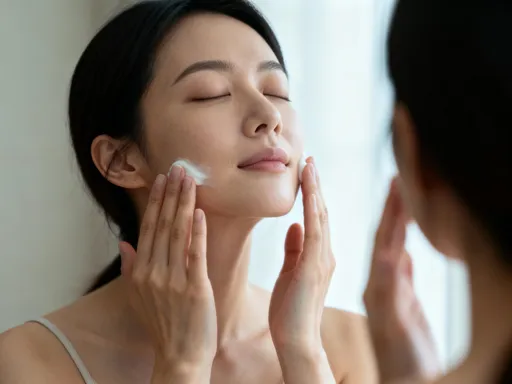
Why Clear Skin Starts with Systemic Care — A Real Approach to Managing Skin Concerns
For years, I chased quick fixes for my skin—creams, serums, spot treatments—but nothing worked long-term. It wasn’t until I shifted from surface-level routines to a systematic approach that I saw real change. Skin issues aren’t just cosmetic; they’re often signs of deeper imbalances. This is how I learned to manage my skin health from the inside out, with science-backed steps and no miracle promises. The journey wasn’t about finding a single product or trend, but about understanding the body as an interconnected system where skin reflects internal health. What follows is not a magic formula, but a practical, sustainable path grounded in research and real-life experience.
The Hidden Truth Behind Skin Flaws
Skin concerns such as acne, redness, dullness, and uneven texture are often viewed as isolated cosmetic problems. However, modern dermatology and functional medicine increasingly recognize these conditions as visible manifestations of internal imbalances. Acne, for example, is not merely the result of clogged pores or poor hygiene; it can signal hormonal fluctuations, digestive dysfunction, or chronic inflammation. Redness and sensitivity may point to immune system overactivity or a compromised skin barrier influenced by stress and diet. Dull skin often correlates with dehydration, nutrient deficiencies, or sluggish cellular turnover driven by lifestyle factors.
Many women in their 30s to 50s experience changes in their skin that coincide with major life transitions—perimenopause, increased stress, or shifts in activity levels. These changes are not simply signs of aging, but responses to how the body is managing internal demands. When the liver is overburdened, the gut microbiome is disrupted, or cortisol levels remain elevated, the skin often becomes the first organ to show distress. This is why treating symptoms at the surface level frequently leads to temporary improvement at best, followed by recurrence or worsening of the condition.
The idea that skin health is systemic challenges the conventional beauty narrative, which emphasizes external solutions. Instead, it invites a more thoughtful, holistic perspective: the skin is not an isolated organ, but a mirror of internal well-being. Addressing root causes—such as poor digestion, hormonal shifts, or chronic stress—offers a more effective and lasting solution than any topical cream alone. This understanding shifts the focus from concealment to correction, from reaction to prevention.
Relatable scenarios illustrate this truth. A woman using strong acne treatments may see initial clearing, only to develop dryness, irritation, and rebound breakouts. Another may invest in expensive anti-aging serums while continuing to consume a high-sugar diet, unknowingly fueling inflammation that undermines her efforts. These cases highlight the limitations of a surface-only approach. By recognizing skin flaws as signals rather than enemies, individuals can begin to decode what their body is communicating and respond with care that goes beyond the mirror.
Why “Treating the Surface” Isn’t Enough
Conventional skincare routines often prioritize immediate results over long-term health. The beauty industry promotes a cycle of product use—cleansers, toners, exfoliants, serums, moisturizers—designed to deliver visible improvements within days or weeks. While some ingredients, such as niacinamide or hyaluronic acid, have research-supported benefits, the overreliance on topical interventions can create a false sense of progress. These treatments may temporarily improve texture or reduce redness, but they rarely resolve the underlying drivers of persistent skin issues.
One major limitation of surface-level care is its tendency to disrupt the skin’s natural barrier. Over-cleansing, excessive exfoliation, or using products with harsh active ingredients like alcohol or synthetic fragrances can compromise the stratum corneum—the outermost protective layer of the skin. When this barrier is weakened, the skin becomes more vulnerable to environmental irritants, moisture loss, and microbial imbalance. This can lead to increased sensitivity, dryness, and even worsened acne, creating a cycle of dependency on corrective products.
Moreover, many topical treatments work by suppressing symptoms rather than resolving causes. For example, benzoyl peroxide kills acne-causing bacteria but does not address why those bacteria are overgrowing in the first place. Similarly, corticosteroid creams may reduce inflammation temporarily but are not suitable for long-term use and do not correct the immune or hormonal imbalances that triggered the response. Without a deeper understanding of the root issue, individuals may find themselves rotating through products, chasing results that never last.
A more effective model draws from the principles of chronic disease management rather than cosmetic enhancement. Just as high blood pressure is managed through diet, exercise, and medication when needed—not by painting the skin to look less flushed—skin conditions benefit from a comprehensive strategy. This includes identifying dietary triggers, supporting detoxification pathways, managing stress, and ensuring adequate nutrient intake. The goal is not instant perfection, but gradual, sustainable improvement rooted in physiological balance.
The Gut-Skin Axis: What It Is and Why It Matters
One of the most significant breakthroughs in understanding skin health is the recognition of the gut-skin axis—a bidirectional relationship between digestive function and skin condition. The gut microbiome, composed of trillions of bacteria, plays a crucial role in regulating inflammation, nutrient absorption, and immune function. When this microbial community is imbalanced—a condition known as dysbiosis—it can trigger systemic inflammation that manifests on the skin as acne, rosacea, eczema, or psoriasis.
Research has shown that individuals with acne often have lower microbial diversity in the gut compared to those with clear skin. Additionally, conditions like small intestinal bacterial overgrowth (SIBO) have been linked to skin inflammation and breakouts. The mechanism is straightforward: an unhealthy gut lining allows undigested food particles and toxins to enter the bloodstream, prompting an immune response. This low-grade, chronic inflammation can then affect distant organs, including the skin.
Diet plays a central role in shaping gut health. A typical Western diet high in refined sugars, processed foods, and unhealthy fats promotes the growth of harmful bacteria while starving beneficial ones. In contrast, a diet rich in fiber, prebiotics, and fermented foods supports a resilient microbiome. Foods such as oats, apples, garlic, onions, and Jerusalem artichokes provide prebiotic fiber that feeds good bacteria. Fermented options like plain yogurt, kefir, sauerkraut, and kimchi introduce live probiotics that help restore microbial balance.
Practical steps to support the gut-skin axis include increasing daily fiber intake to at least 25–30 grams, drinking plenty of water, and minimizing processed foods. Incorporating one or two servings of fermented foods daily can also make a meaningful difference. For women managing busy households, simple changes—like adding chia seeds to breakfast or swapping sugary snacks for plain yogurt with berries—can support both digestive and skin health. Over time, many report not only clearer skin but also improved digestion, stable energy, and reduced bloating, reinforcing the value of a systemic approach.
Hormones and Skin: The Invisible Triggers
Hormonal fluctuations are among the most powerful yet overlooked influences on skin health. For women in midlife, changes in estrogen, progesterone, and cortisol levels can significantly affect oil production, skin thickness, and inflammatory response. Androgens, such as testosterone, though present in smaller amounts in women, can stimulate sebaceous glands, leading to increased sebum and clogged pores—especially during menstrual cycles, perimenopause, or times of high stress.
Androgen dominance, relative to estrogen, is a common underlying factor in adult acne, particularly along the jawline and chin. This imbalance is not always due to abnormal hormone levels, but often results from how the body metabolizes and clears hormones. The liver plays a key role in breaking down excess hormones, and if liver function is impaired by poor diet, alcohol, or environmental toxins, hormone clearance slows, leading to buildup and skin flare-ups.
Lifestyle factors profoundly influence hormonal regulation. Chronic stress elevates cortisol, which in turn can increase insulin and androgen production—both linked to acne. Poor sleep disrupts the circadian rhythm, impairing hormone synthesis and skin repair processes that occur at night. Nutrition also matters: diets low in essential fatty acids, zinc, and B vitamins can hinder hormone balance and skin resilience.
Supporting hormonal health does not require drastic interventions. Consistent sleep patterns—aiming for 7–8 hours per night—help regulate cortisol and support skin regeneration. Stress-reducing practices such as mindful breathing, gentle yoga, or daily walks can lower cortisol and improve overall well-being. Nutritionally, consuming cruciferous vegetables like broccoli and Brussels sprouts supports healthy estrogen metabolism. Including sources of omega-3 fatty acids—such as walnuts, flaxseeds, or fatty fish—can reduce inflammation and support hormone production. These manageable changes, when practiced consistently, contribute to a more balanced internal environment and, consequently, clearer skin.
Inflammation: The Silent Driver of Skin Issues
Chronic low-grade inflammation is a silent but pervasive force behind many persistent skin conditions. Unlike acute inflammation, which is a visible and temporary response to injury, chronic inflammation operates beneath the surface, often without obvious symptoms. It is fueled by lifestyle factors such as poor diet, sedentary behavior, chronic stress, and environmental exposures. Over time, this internal state of alert can dysregulate the immune system and impair skin barrier function, leading to conditions like acne, rosacea, and premature aging.
Diet is one of the most modifiable contributors to inflammation. High intake of added sugars, refined carbohydrates, and processed vegetable oils (such as soybean or corn oil) promotes the production of pro-inflammatory cytokines. These signaling molecules travel through the bloodstream and can trigger immune activity in the skin, worsening breakouts and sensitivity. In contrast, an anti-inflammatory diet emphasizes whole foods—colorful vegetables, fruits, nuts, seeds, fatty fish, and healthy fats like olive oil—that provide antioxidants and essential nutrients to calm the immune response.
Physical activity also plays a critical role. Regular movement improves circulation, supports lymphatic drainage, and helps regulate blood sugar—all of which reduce systemic inflammation. Even moderate activities like walking, gardening, or stretching for 30 minutes a day can make a difference. For women balancing family and work, integrating movement into daily routines—such as taking the stairs, parking farther away, or doing short home workouts—can be both realistic and effective.
Mindful eating is another powerful tool. Eating slowly, chewing thoroughly, and avoiding distractions during meals support digestion and reduce the risk of inflammatory responses to food. Paying attention to how certain foods affect the skin—such as dairy, gluten, or sugar—can help identify personal triggers. While not everyone needs to eliminate these foods, recognizing patterns allows for informed choices. Over time, an anti-inflammatory lifestyle fosters not only clearer skin but also greater energy, improved mood, and long-term health resilience.
Building a Personalized System, Not a Routine
The shift from a generic skincare routine to a personalized health system is transformative. One-size-fits-all regimens often fail because they do not account for individual differences in biology, lifestyle, and environment. What works for one person may aggravate another’s skin, depending on their unique combination of gut health, hormone levels, and stress response. A personalized approach begins with self-observation and awareness.
Tracking diet, sleep, mood, and skin changes over several weeks can reveal meaningful patterns. For example, a woman may notice that breakouts consistently follow nights of poor sleep or meals high in dairy. Another may observe that her skin improves when she exercises regularly or reduces caffeine. Journaling these observations—without judgment—creates a personal data set that informs smarter choices. This process empowers individuals to become active participants in their skin health rather than passive consumers of products.
Implementation should be gradual and sustainable. Attempting to overhaul every habit at once often leads to frustration and abandonment. Instead, focusing on one or two manageable changes—such as drinking more water or adding a daily serving of vegetables—builds momentum. As these habits become routine, additional changes can be layered in. The goal is not perfection, but progress—consistent, small steps that add up over time.
A personalized system also includes self-compassion. Skin healing is not linear; there will be good days and setbacks. Viewing these fluctuations as part of the process, rather than failures, reduces stress and supports long-term success. By designing a system tailored to individual needs and rhythms, women can create a lifestyle that nurtures skin health naturally and sustainably.
When to Seek Professional Help: Bridging Self-Care and Medicine
While systemic self-care is powerful, it is not a substitute for medical evaluation and treatment. There are clear signs that indicate the need for professional support. Persistent, severe acne that does not respond to lifestyle changes may require dermatological intervention, such as prescription topical or oral medications. Sudden or worsening skin conditions—such as widespread rashes, extreme dryness, or lesions—should be evaluated by a healthcare provider to rule out underlying medical conditions.
Hormonal imbalances, particularly those related to polycystic ovary syndrome (PCOS) or thyroid dysfunction, often require diagnostic testing and targeted treatment. A primary care provider or endocrinologist can order blood work to assess hormone levels, insulin sensitivity, and thyroid function. In some cases, medications or supplements under medical supervision are necessary to restore balance.
Collaboration between self-care and medicine offers the best outcome. A woman managing acne through diet and stress reduction may still benefit from a dermatologist-prescribed retinoid to support cellular turnover. Similarly, someone addressing gut health may work with a registered dietitian or functional medicine practitioner to identify food sensitivities or optimize nutrient intake. These partnerships ensure that care is both comprehensive and safe.
It is also important to consult a professional before starting any new supplement regimen, especially for women taking medications or managing chronic conditions. While certain supplements—such as omega-3s, zinc, or probiotics—have research-backed benefits for skin health, they are not appropriate for everyone and can interact with medications. Professional guidance ensures that interventions are tailored, evidence-based, and aligned with overall health goals.
True skin wellness isn’t about perfection—it’s about balance, awareness, and consistency. By treating skin issues as part of a larger health picture, we move beyond temporary fixes to lasting improvement. This systemic mindset doesn’t promise miracles, but it delivers something better: real, sustainable clarity. When we listen to our skin, support our body’s natural functions, and seek help when needed, we cultivate not just healthier skin, but a healthier life.