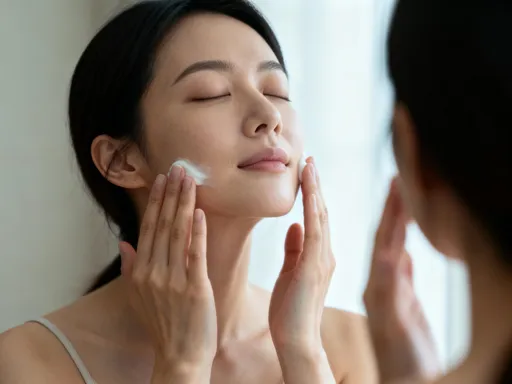
How Skincare Quietly Changed My Mindset — A Real Talk on Beauty and Mental Balance
For years, I thought skincare was just about clear skin — until I realized it was calming my mind too. The routine of cleansing, moisturizing, and pausing for myself became a form of daily therapy. Science shows that self-care rituals reduce stress, and I felt it firsthand. This isn’t about perfection; it’s about presence. What if taking care of your skin could also help you take care of your mental state? As life grew busier and responsibilities mounted, a simple evening ritual began to offer something deeper than glowing skin — it offered stillness. In the quiet moments of tending to her face, one woman discovered a pathway to emotional balance, self-worth, and resilience. This is not a story about flawless complexions, but about how the act of caring for oneself, one gentle step at a time, can reshape the way we feel inside.
The Hidden Link Between Skincare and Mental Health
At first glance, skincare may appear to be a purely physical practice — a regimen focused on texture, tone, and appearance. Yet beneath the surface lies a psychological dimension that is increasingly supported by science. Daily skincare routines engage the mind in ways that go beyond vanity, serving as subtle but powerful tools for emotional regulation. The repetitive motions of cleansing, applying products, and massaging the face activate what psychologists call ‘grounding techniques’ — methods used to anchor the mind in the present moment. These actions, when performed with awareness, mimic mindfulness practices commonly recommended for anxiety and depression.
Studies have shown that consistent self-care behaviors are linked to lower levels of cortisol, the body’s primary stress hormone. When individuals follow a predictable routine, especially one involving tactile stimulation and personal attention, the brain registers a sense of safety and control. This effect is amplified when the routine includes elements such as scent, temperature, and touch — all of which influence the nervous system. For example, the warm water used during facial cleansing, combined with the gentle pressure of fingertips, can signal the body to shift from a state of alertness to one of relaxation. Over time, this repeated transition trains the mind to associate the ritual with calm, creating a conditioned response similar to meditation or deep breathing exercises.
Furthermore, researchers have begun to explore what is now referred to as the ‘skin-brain axis’ — a bidirectional communication pathway between the skin and the central nervous system. The skin contains millions of nerve endings and produces neurotransmitters like serotonin and dopamine, chemicals deeply involved in mood regulation. When the skin is irritated or inflamed, it can send distress signals to the brain, potentially exacerbating feelings of anxiety or low mood. Conversely, when the skin is soothed and cared for, those same pathways can transmit signals of comfort and well-being. This biological connection underscores why improving skin health often leads to improved emotional health, not just because of how one looks, but because of how one feels at a neurological level.
Importantly, these benefits do not depend on achieving ‘perfect’ skin. The psychological rewards come from the act of care itself — the intentionality, the pause, the self-directed kindness. It is not the outcome that heals, but the process. In this way, skincare becomes less about correction and more about connection — a daily reaffirmation that one is worth the time and attention.
My Journey: From Acne Stress to Self-Acceptance
She was 34 when she finally admitted she was tired — not just physically, but emotionally. For over a decade, her relationship with her skin had been defined by frustration and self-criticism. Acne flare-ups, especially around her jawline and cheeks, triggered waves of insecurity. She would avoid group photos, decline invitations to weekend gatherings, and spend long minutes each morning scrutinizing her reflection, searching for signs of improvement. Her mirror became both judge and jury, and she always seemed to fall short. The more she focused on fixing her skin, the more it seemed to control her mood, her confidence, and even her sense of identity.
What she didn’t realize at the time was that her stress was feeding the very condition she wanted to eliminate. Chronic stress increases cortisol production, which in turn can stimulate oil glands and trigger breakouts. She was caught in a cycle: stress led to acne, acne led to more stress. Over-the-counter treatments and dermatologist visits offered temporary relief, but no lasting peace. The emotional toll was significant — she began to feel isolated, as though she were the only one struggling with something so visible yet so misunderstood.
The turning point came not from a new product, but from a shift in perspective. After reading about the connection between emotional well-being and skin health, she decided to try an experiment: instead of treating her skincare routine as a battle against imperfections, she would treat it as an act of care. She started by simplifying her regimen — removing harsh scrubs and excessive products — and replacing them with gentle cleansers and soothing moisturizers. More importantly, she began to pay attention to how the routine made her feel, not just how her skin looked.
Each evening, she set aside ten minutes. No phone, no distractions. She washed her face slowly, feeling the warmth of the water and the softness of the cloth. She applied her moisturizer with light, circular motions, focusing on her breath. At first, it felt strange — almost indulgent — to dedicate time solely to herself. But over weeks, something changed. The ritual became less about fixing and more about honoring. She noticed her thoughts becoming quieter, her shoulders relaxing, her sleep improving. The acne didn’t vanish overnight, but her relationship with it did. She stopped seeing her skin as an enemy and began to see it as a part of her — worthy of patience, not punishment. The transformation was not measured in clear skin, but in calmness, in self-compassion, in the quiet return of confidence.
Why Routine Matters More Than Products
In an era of influencer-led beauty trends and ever-expanding product shelves, it’s easy to believe that results come from the latest serum or luxury cream. But research and lived experience suggest otherwise: the real power of skincare lies not in the ingredients, but in the consistency of the practice. A predictable, repeatable routine provides a structure that the mind craves, especially in times of uncertainty. Just as children thrive on bedtime rituals, adults benefit from daily anchors that signal safety and self-worth. Skincare, when approached intentionally, becomes one such anchor — a small but meaningful act of order in a chaotic world.
Experts in behavioral psychology note that routines help regulate the brain’s reward system. When an action is repeated regularly and associated with a positive outcome — even a subtle one like momentary peace — the brain begins to anticipate and seek that experience. This is why a simple nightly wash and moisturize can feel satisfying, not because of dramatic results, but because the brain recognizes it as a signal of care. Over time, this builds what psychologists call ‘self-efficacy’ — the belief that one has control over their life and choices. For women juggling work, family, and personal responsibilities, this sense of control can be profoundly restorative.
Additionally, circadian rhythm research highlights how morning and evening routines support mental stability. The body operates on a 24-hour internal clock that influences everything from hormone release to mood regulation. A consistent skincare routine, especially one performed at the same time each day, helps reinforce this natural rhythm. A morning cleanse can serve as a gentle wake-up call to the senses, preparing the mind for the day ahead. An evening routine, on the other hand, signals the body that it’s time to wind down, promoting better sleep and emotional recovery. This alignment with biological patterns enhances not only skin health but overall mental clarity and resilience.
It’s important to note that complexity does not equal effectiveness. In fact, overly complicated regimens can become sources of stress rather than relief. The goal is not to follow a ten-step routine with exotic ingredients, but to create a sustainable practice that fits into real life. A two-step process — cleanse and moisturize — done with presence and care, can be more beneficial than an elaborate ritual performed on autopilot. The value is in the repetition, the touch, the intention — not in the number of bottles on the sink.
The Role of Touch and Sensory Experience
One of the most overlooked aspects of skincare is its sensory richness. Unlike many modern routines that are screen-based and mentally taxing, skincare engages the body through touch, scent, temperature, and pressure — all of which have direct pathways to the nervous system. The act of applying a cream, for instance, involves gentle pressure on the face, which can stimulate the vagus nerve, a key component of the parasympathetic nervous system responsible for ‘rest and digest’ functions. When this nerve is activated, heart rate slows, breathing deepens, and the mind begins to settle.
Facial massage, even in its simplest form, enhances this effect. Using the fingertips to press along the jawline, temples, and brow can release physical tension that often accumulates from stress and screen use. This tactile feedback creates a bridge between the body and mind, helping to interrupt cycles of rumination and anxiety. Many women report that the few minutes spent massaging their face feel like a mini-massage for the brain — a brief escape from the demands of the day.
Scent also plays a crucial role. Aromatherapy has long been recognized for its mood-modulating properties, and many skincare products contain natural fragrances like lavender, chamomile, or sandalwood — ingredients associated with relaxation. While these are not medical treatments, their presence in a daily routine can enhance the overall experience of calm. The smell of lavender, for example, has been studied for its ability to reduce subjective feelings of stress and improve sleep quality. When combined with the physical act of skincare, these scents create a multi-sensory environment that supports emotional balance.
Temperature further deepens the sensory impact. Using cool water in the morning can invigorate and refresh, while warm water at night can soothe and relax. Some women incorporate chilled jade rollers or warm towels into their routine, enhancing the contrast and pleasure of the experience. These small details transform skincare from a chore into a ritual — one that the mind learns to anticipate and enjoy. Over time, the brain begins to associate these sensory cues with safety and self-kindness, reinforcing the emotional benefits of the practice.
Breaking the Cycle of Skin Anxiety
In today’s digital age, skin anxiety has become increasingly common, fueled by social media platforms where filtered images and curated beauty standards dominate. Endless scrolling through flawless complexions can distort reality, making normal skin variations — such as texture, pores, or occasional breakouts — feel like flaws. This constant comparison can erode self-esteem and intensify the pressure to achieve an unattainable ideal. For many women, skincare has shifted from a form of self-care to a form of self-correction, driven by fear rather than love.
The truth is, no skin is perfect — and that’s perfectly okay. Dermatologists emphasize that skin is dynamic, influenced by hormones, environment, diet, and stress. Expecting it to look the same every day is as unrealistic as expecting the weather to remain constant. Yet the message from much of beauty content online is one of transformation, often implying that self-worth is tied to appearance. This narrative can be harmful, especially for women navigating hormonal changes, aging, or chronic skin conditions.
To break free from this cycle, a shift in mindset is essential. Skincare should be reframed not as a project to fix oneself, but as a practice of self-respect. It’s not about erasing signs of life, but about honoring the body that carries us through each day. One helpful strategy is to limit exposure to unrealistic beauty content. This might mean unfollowing accounts that trigger comparison, muting certain hashtags, or setting screen-time boundaries for social media use. Replacing curated feeds with educational or empowering content — such as dermatology insights or self-acceptance stories — can help rebuild a healthier relationship with beauty.
Digital detox practices can also support mental peace. Setting aside specific times each day to disconnect from screens allows space for real-life rituals, including skincare, to be experienced more fully. Without the distraction of notifications and comparisons, the act of caring for one’s skin becomes more intentional and satisfying. Over time, this shift reduces dependency on external validation and strengthens internal confidence — the kind that comes not from looking perfect, but from feeling grounded.
Building a Balanced Skincare Ritual: A Step-by-Step Guide
Creating a skincare routine that supports both skin and mental health doesn’t require expertise or expensive products. What it does require is intention, simplicity, and consistency. The goal is to design a practice that feels sustainable and nurturing, not overwhelming or performative. Begin by choosing a few gentle, effective products: a mild cleanser, a hydrating moisturizer, and a broad-spectrum sunscreen for daytime. These three steps form the foundation of skin protection and care, addressing basic needs without excess.
Structure the routine around two key moments: morning and night. The morning ritual can be brief — two to five minutes — focused on cleansing away overnight oils and applying moisturizer and sunscreen. This act serves as a mindful start to the day, a small commitment to self-preservation. As you apply each product, take a moment to breathe and set an intention. It doesn’t have to be profound; simply acknowledging, ‘I am taking care of myself today,’ can have a meaningful impact.
The evening routine offers a deeper opportunity for relaxation. Aim for ten minutes of uninterrupted time. Begin with a gentle cleanse, using lukewarm water and soft motions. Follow with moisturizer, applying it with light pressure and circular strokes. If desired, incorporate a facial massage using fingertips or a simple tool like a jade roller. This is not about achieving immediate results, but about creating a space of calm. Pair the routine with low lighting, calming music, or silence — whatever helps the mind unwind.
Timing is important. Performing the routine at the same time each night helps signal the body that it’s time to rest, supporting better sleep and emotional regulation. Avoid rushing; if time is short, do fewer steps rather than skipping the ritual altogether. Even one minute of mindful care is better than none. The key is regularity, not perfection. Over time, this consistent act of self-kindness builds resilience, reinforcing the message that one’s well-being matters.
Beyond the Face: Extending Care to Overall Well-Being
What begins as a simple skincare routine often grows into a broader pattern of self-care. Women who commit to daily facial care frequently find themselves making other positive changes — drinking more water, prioritizing sleep, or practicing mindfulness. These behaviors are interconnected; small acts of kindness toward the body create momentum for larger ones. When someone sees themselves as worthy of a nightly moisturizer, they are more likely to believe they deserve a good night’s sleep, a nutritious meal, or a moment of rest.
This ripple effect is supported by behavioral science. Self-care habits are often ‘gateway behaviors’ — small actions that lead to larger lifestyle shifts. For example, a woman who starts a skincare routine may begin to notice how hydration affects her skin, prompting her to drink more water throughout the day. She may become more aware of how stress shows up on her face, leading her to explore stress management techniques like walking, journaling, or talking to a friend. These changes, while seemingly small, compound over time, contributing to improved physical and emotional health.
Moreover, the discipline of a daily ritual fosters a sense of agency. In a world where so much feels beyond control — from work demands to family needs — having one consistent practice provides a sense of stability. It becomes a personal promise, a daily reaffirmation of self-worth. This internal shift often leads to greater confidence, not because appearance has changed dramatically, but because the relationship with oneself has deepened.
True beauty, then, is not found in flawless skin, but in the quiet confidence that comes from consistent self-respect. It is the glow that emerges when outer care meets inner calm — when the act of washing one’s face becomes a meditation, a moment of peace, a declaration of worth. Skincare, at its best, is not about hiding or fixing, but about showing up for oneself, day after day. It is a gentle, ongoing conversation between body and mind — one that says, simply and powerfully: I am here, and I matter.