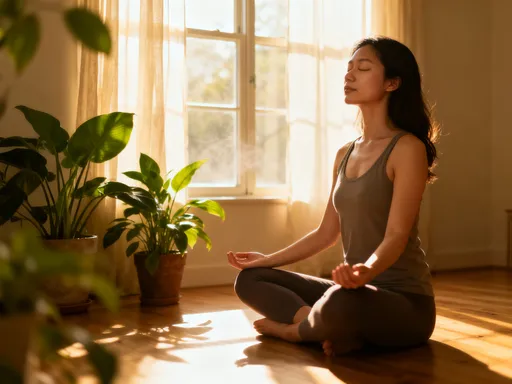
How I Learned to Calm My Mind Without Meditation—A Beginner’s Win
Ever feel overwhelmed by emotions but don’t know where to start? I was there—stressed, stuck, and skeptical. Turns out, small daily movements changed everything. You don’t need intense workouts or meditation mastery. Just simple, doable actions that help your nervous system reset. This is my real journey from emotional chaos to calm, step by step.
The Breaking Point: When Emotions Felt Too Heavy
There was a morning when a spilled coffee turned into a full emotional collapse. It wasn’t about the mess. It was about the weight I’d been carrying for weeks—sleepless nights, quiet anxiety, and a constant sense of being behind. I snapped at my child over a shoe left untied, then immediately regretted it. That moment wasn’t unique. Many women in their 30s, 40s, and 50s know this feeling: the emotional load of managing homes, jobs, aging parents, and personal well-being, all while feeling like there’s no space left to breathe.
Emotional overwhelm doesn’t always look like tears or shouting. Often, it shows up as fatigue, irritability, or a numbness that makes it hard to connect—even with people you love. It affects focus, decision-making, and the ability to enjoy small joys. What many don’t realize is that emotions aren’t just in the mind. They are held in the body. Tight shoulders, shallow breathing, and a clenched jaw are not just side effects—they are signals that the nervous system is stuck in a state of alert.
The turning point came when I stopped blaming myself for being “too sensitive” and started asking a different question: What if my emotions aren’t a flaw, but feedback? What if the issue isn’t my thoughts, but my body’s inability to process stress? That shift in perspective was subtle but powerful. I began to see that emotional regulation isn’t about willpower or positive thinking. It’s about giving the body tools to release what it’s holding. And the most accessible tool, I discovered, wasn’t a therapist’s couch or a meditation cushion—it was movement.
Why Movement Matters More Than You Think
Science has long shown that physical activity influences mood, but most people still think of it only in terms of fitness or weight management. The deeper truth is that movement is a direct line to the nervous system. When we move, we send signals to the brain that we are safe, active, and in control. This helps shift the body out of fight-or-flight mode and into a calmer, regulated state.
The connection between body and emotion is not metaphorical—it’s physiological. When stress builds, the body tenses. Muscles tighten, breathing becomes shallow, and the heart rate increases. These changes are designed to protect us in moments of danger, but when they persist, they keep the emotional system on high alert. Over time, this leads to anxiety, low mood, and emotional reactivity. Movement breaks that cycle by releasing physical tension, which in turn signals the brain to reduce stress hormones like cortisol.
Think of your body as holding the dial for your emotions. When you’re sedentary for long periods—sitting at a desk, driving, or scrolling—your body sends signals of stillness, which can be misinterpreted as stagnation or threat. But when you move, even gently, you reset that dial. A walk around the block, a few shoulder rolls, or simply standing and stretching can lower your internal alarm. This isn’t about intensity. It’s about signaling safety. The body doesn’t need a 45-minute spin class to calm down. It needs small, consistent inputs that say: We’re okay. We’re moving. We’re not trapped.
This understanding changed everything. I stopped seeing movement as another chore on my to-do list. Instead, I began to view it as a form of listening—listening to what my body needed in the moment. Some days, that meant a brisk walk. Others, it was just swaying side to side in the kitchen. The goal wasn’t to burn calories. It was to restore balance. And over time, I noticed something remarkable: the more I moved, the less reactive I became. The same situations that used to trigger me—traffic, a delayed response, a messy kitchen—started to feel manageable. Not because life changed, but because my nervous system did.
My First Step: The 5-Minute Rule That Actually Worked
I didn’t start with grand plans. I started with one rule: move for five minutes a day. That’s it. No expectations, no tracking, no pressure. The idea was so small that it felt almost silly. But that was the point. When you’re overwhelmed, even the smallest task can feel impossible. By making the goal absurdly achievable, I removed the barrier of resistance.
Some days, those five minutes were a slow walk around the block, focusing on the rhythm of my steps. Other days, I stood in the living room and just shook my arms and legs like a wet dog. It looked ridiculous, but it worked. The key wasn’t the form or the fitness level—it was the act of beginning. Once I started, I often kept going longer. But even when I didn’t, those five minutes made a difference.
What surprised me most was how quickly small shifts appeared. Within a week, I noticed I was sleeping better. Not dramatically—just falling asleep faster and waking up less anxious. My mood swings became less intense. I didn’t feel “happy” all the time, but I felt more stable. The emotional spikes—those sudden waves of frustration or sadness—started to shorten in duration. I began to recognize them as temporary states, not permanent truths.
The 5-minute rule worked because it sidestepped the all-or-nothing thinking that had derailed me before. I wasn’t trying to “fix” myself. I wasn’t chasing a perfect routine. I was simply showing up for myself in a tiny, tangible way. And that consistency, however small, built trust. My body learned to expect movement, and in return, it began to offer moments of calm. It wasn’t magic. It was biology. But to me, it felt like a quiet miracle.
Building the Routine: Three Simple Exercises for Emotional Reset
Once the 5-minute habit took root, I began to add structure. I didn’t want a complex workout plan. I wanted tools—simple, repeatable practices that could be done anywhere, anytime, without equipment. After experimenting, I settled on three exercises that became my emotional reset toolkit.
The first is the grounding walk. This isn’t about speed or distance. It’s a slow, mindful walk where attention is placed on the feet touching the ground. As I walk, I focus on the sensation of each step—the heel, the ball, the toes. I sync my breath with my steps, inhaling for three, exhaling for three. This practice connects the body and mind, bringing awareness to the present moment. It’s especially helpful in the morning or after a stressful interaction. Even five minutes of this kind of walking can shift the nervous system from reactive to calm.
The second is the shake-off drill. This one feels unusual at first, but it’s based on a natural behavior seen in animals after a threat has passed. When a deer escapes a predator, it doesn’t sit down to process the trauma. It shakes. This physical tremor helps discharge stored stress. Humans suppress this instinct, but we can reintroduce it intentionally. To do this, I stand in place and let my arms, legs, and torso shake loosely for 60 to 90 seconds. It looks strange, but the effect is immediate. I feel lighter, as if tension has been released from my muscles and joints. It’s a quick reset when emotions feel stuck or heavy.
The third practice combines breath and movement: box breathing with motion. I inhale for four counts while raising my arms overhead, hold for four counts at the top, exhale for four counts as I lower my arms, and hold for four counts at the bottom. Repeating this for two to three minutes creates a rhythm that calms the nervous system. The combination of breath and movement enhances the effect—more than either one alone. This is especially useful before bed or during moments of decision-making when clarity is needed.
These three practices are not workouts. They are rituals of regulation. They take little time, require no special skills, and can be adapted to any environment. The key is consistency, not perfection. I don’t do all three every day. Some days, I only have time for one. But each one serves as a reminder: I am not helpless in the face of my emotions. I have tools. And they are always within reach.
What Changed After 3 Weeks—And What Didn’t
After three weeks of daily movement, I began to notice patterns. I tracked my mood informally—just a mental note at the end of each day. I found that about 70% of days felt more balanced. I wasn’t free from stress, but I was less consumed by it. Emotional spikes still happened, but they didn’t last as long. I could recognize them sooner and respond with a grounding walk or a shake-off, rather than reacting impulsively.
My focus improved. I could stay present during conversations instead of mentally rehearsing my to-do list. I felt more patient—with my family, with myself. Small moments, like a child’s laughter or sunlight through the window, became easier to notice and enjoy. These weren’t dramatic transformations, but they were real. The biggest change was internal: a growing sense of self-trust. I had proven to myself that I could show up, even in small ways, and that those small actions added up.
But not everything changed. Tough days still came. There were mornings when I felt heavy and unmotivated. There were times when I skipped my movement practice, not out of laziness, but because life demanded attention elsewhere. And that’s okay. The goal was never perfection. It was resilience. I learned that emotional regulation isn’t about eliminating difficult feelings. It’s about building the capacity to move through them without being overwhelmed.
What didn’t change was the external chaos of life. Responsibilities didn’t disappear. People still disappointed me. The world still felt uncertain. But my relationship to those stressors shifted. I wasn’t fighting my emotions anymore. I was learning to move with them, like adjusting your stance in a strong wind. The difference was subtle but profound. I felt more grounded, more capable, more like myself.
Common Roadblocks (And How to Move Past Them)
Starting is hard. Staying consistent is harder. I faced the same obstacles many women do: lack of time, low energy, and self-doubt. There were days when five minutes felt like too much. The key wasn’t willpower. It was strategy.
One of the most effective tools was habit stacking. I attached my movement practice to an existing habit—like after checking email in the morning or before brewing my afternoon tea. This removed the need to decide when to move. It became part of a routine, not an extra task. Over time, it became automatic.
Another shift was choosing joy over intensity. I stopped forcing myself to do movements I didn’t enjoy. If walking felt boring, I danced. If stretching felt stiff, I swayed. The goal wasn’t to push through discomfort. It was to create a positive association with movement. When it feels good, you’re more likely to repeat it.
I also used simple reminders—a sticky note on the fridge, a calendar checkmark. These weren’t about guilt. They were about encouragement. And when I missed a day, I didn’t scold myself. I simply began again the next day. Setbacks aren’t failure. They’re part of the process. The most important step is always the next one.
Self-doubt was the quietest but most persistent barrier. Thoughts like “This won’t work for me” or “I’m too far behind” would creep in. When they did, I reminded myself: this isn’t about transformation. It’s about connection. Every time I moved, I was reconnecting with my body, with the present moment, with myself. That connection, however brief, was enough.
Making It Last: Turning Movement Into a Lifestyle
The real shift happened when I stopped thinking of movement as a fix and started seeing it as self-respect. It wasn’t punishment for eating too much or not doing enough. It was a gift—a daily act of care. This mindset change made all the difference. I wasn’t doing it to change how I looked. I was doing it to feel more like myself.
Now, movement is woven into my day. I take a grounding walk after finishing work. I do a quick shake-off when I feel tension rising. I practice box breathing before meals. These aren’t separate events. They’re part of how I live. I’ve also started to notice non-scale wins: I’m more patient in traffic, more present with my family, more able to pause before reacting. These are the real measures of progress.
Sustainability comes from flexibility. Some days are full of movement. Others are still. That’s okay. The goal isn’t rigidity. It’s awareness. When I notice tension building, I have tools. When I feel emotionally heavy, I know I don’t have to wait for a therapist or a vacation to feel better. I can move—right now, right here.
This isn’t a dramatic story of total transformation. It’s a quiet, steady shift toward balance. It’s about learning to listen to the body’s whispers before they become screams. And it’s available to anyone willing to start small, stay consistent, and trust the process.
Emotion regulation isn’t about fixing yourself—it’s about listening. Movement became my language for that dialogue. You don’t need a gym or guru. Just five minutes, and the courage to begin. This journey isn’t dramatic, but it’s real. And it’s available to anyone ready to move, not perfect.