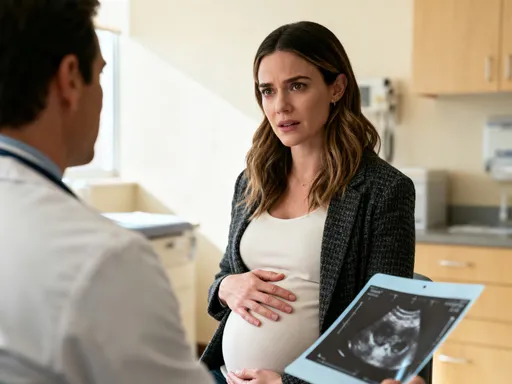
Why Early Detection Matters in Pregnancy: A Long-Term Care Perspective
Pregnancy is more than just preparing for a new life—it’s a window into long-term health for both mother and child. Many conditions can emerge silently during this time, from gestational issues to early signs of chronic diseases. Catching them early doesn’t just support a safer pregnancy; it builds a foundation for lasting wellness. This article explores how proactive screening and mindful monitoring can make a meaningful difference—because caring for a woman during pregnancy is really about caring for her future.
The Hidden Health Clues Pregnancy Reveals
Pregnancy places significant demands on the body, effectively acting as a natural stress test that can expose underlying health vulnerabilities. During this period, physiological changes such as increased blood volume, hormonal fluctuations, and metabolic shifts challenge the cardiovascular, endocrine, and immune systems in ways that may reveal previously undiagnosed conditions. For instance, high blood pressure that develops during pregnancy might be the first indication of a predisposition to chronic hypertension. Similarly, abnormal glucose levels detected through routine screening could signal an increased risk for type 2 diabetes later in life. These conditions often go unnoticed outside of pregnancy due to subtle or absent symptoms, making the prenatal period a unique opportunity for early identification.
Scientific research increasingly supports the idea that pregnancy complications are not isolated events but potential markers of long-term health risks. Studies published in reputable journals such as the American Journal of Obstetrics & Gynecology and Circulation have demonstrated that women who experience preeclampsia, gestational diabetes, or preterm birth face a significantly higher likelihood of developing cardiovascular disease, metabolic disorders, and chronic kidney issues in the decades following childbirth. This growing body of evidence underscores the importance of viewing pregnancy as a diagnostic window—one that offers critical insights into a woman’s future health trajectory.
Yet, many of the warning signs that arise during pregnancy are frequently dismissed as normal aspects of carrying a baby. Fatigue, swelling, weight gain, and mood changes are commonly attributed to hormonal shifts and the physical burden of pregnancy. While these symptoms can indeed be part of a healthy pregnancy, their persistence or severity should prompt further evaluation. For example, excessive swelling combined with elevated blood pressure may indicate preeclampsia, a condition that requires immediate attention. Likewise, unusual thirst and frequent urination might not simply reflect increased fluid intake but could point to gestational diabetes. Recognizing the difference between typical discomforts and red flags is essential for timely intervention.
Therefore, healthcare providers must adopt a more vigilant approach during prenatal visits, moving beyond routine assessments to actively investigate any deviations from expected patterns. This includes taking a thorough medical history, conducting comprehensive screenings, and encouraging open dialogue about symptoms that may seem minor but could carry significant implications. By treating pregnancy as a dynamic health assessment rather than just a reproductive phase, clinicians can identify at-risk individuals earlier and initiate preventive strategies that extend far beyond delivery.
Why Long-Term Thinking Changes Pregnancy Care
Traditionally, the focus of prenatal care has been centered on achieving a safe delivery and a healthy newborn. While these goals remain vital, there is a growing recognition that the impact of pregnancy extends well beyond the birthing room. A shift toward long-term thinking in maternal healthcare means redefining success not only by the outcome of labor but also by the mother’s health status years or even decades afterward. This broader perspective transforms pregnancy from a temporary medical episode into a pivotal moment for lifelong wellness planning.
Research consistently shows that certain pregnancy-related complications are strongly associated with an increased risk of chronic diseases later in life. Women who develop preeclampsia, for example, are two to four times more likely to develop hypertension and have a 70% greater risk of ischemic heart disease compared to those with uncomplicated pregnancies. Similarly, a diagnosis of gestational diabetes increases the likelihood of progressing to type 2 diabetes by up to sevenfold within ten years postpartum. These findings highlight the predictive power of pregnancy experiences and reinforce the need for sustained follow-up care.
One of the most underutilized opportunities in maternal health is the postpartum period. Despite the known risks, many women do not receive adequate monitoring after giving birth. Standard postpartum visits often occur just once, around six weeks after delivery, and primarily assess physical recovery and mental well-being without comprehensive metabolic or cardiovascular evaluations. As a result, early signs of chronic conditions may go undetected until they become more difficult to manage. Establishing routine postpartum screenings for blood pressure, glucose tolerance, lipid profiles, and body mass index could help identify at-risk women and connect them with preventive interventions.
Integrating long-term health planning into prenatal and postpartum care requires a coordinated effort across healthcare disciplines. Obstetricians, primary care physicians, and specialists must work together to ensure continuity of care. Electronic health records can support this transition by flagging patients with high-risk pregnancies and prompting follow-up appointments. Additionally, patient education plays a crucial role—women should be informed that their pregnancy experience may influence their future health and empowered to take proactive steps, such as regular check-ups and lifestyle modifications, to protect themselves over time.
Common Conditions Detectable Early
Several medical conditions can first appear or be identified during pregnancy, offering a valuable chance for early diagnosis and management. Among the most common are gestational diabetes, preeclampsia, anemia, and thyroid dysfunction—each of which carries implications not only for the current pregnancy but also for long-term maternal health. Detecting these conditions early allows for timely treatment, reduces complications during delivery, and lowers the risk of chronic disease development in the future.
Gestational diabetes occurs when the body cannot produce enough insulin to meet the increased demands of pregnancy, leading to elevated blood sugar levels. If left untreated, it can result in macrosomia (large birth weight), cesarean delivery, and neonatal hypoglycemia. More importantly, women with gestational diabetes have a substantially higher risk of developing type 2 diabetes later in life. Routine glucose screening between 24 and 28 weeks of pregnancy enables early detection, allowing for dietary adjustments, physical activity recommendations, and, if necessary, insulin therapy. Follow-up testing postpartum and periodic monitoring thereafter can help prevent or delay the onset of chronic diabetes.
Preeclampsia, characterized by high blood pressure and signs of organ damage—often affecting the liver and kidneys—is another condition that typically emerges after 20 weeks of gestation. It poses immediate risks such as eclampsia, placental abruption, and preterm birth. Long-term, it serves as a marker for future cardiovascular disease. Regular blood pressure checks and urine protein tests during prenatal visits are essential for identifying preeclampsia early. Timely delivery remains the definitive treatment, but ongoing cardiovascular monitoring after pregnancy is equally important to mitigate long-term risks.
Anemia, particularly iron-deficiency anemia, is prevalent during pregnancy due to increased blood volume and fetal demands for iron. Symptoms such as fatigue, dizziness, and shortness of breath are often mistaken for normal pregnancy discomforts, delaying diagnosis. Left unaddressed, severe anemia can lead to preterm delivery and low birth weight. Routine blood tests, including hemoglobin and ferritin levels, allow for early detection and correction through dietary changes or supplementation. Addressing anemia not only improves pregnancy outcomes but also supports maternal energy levels and immune function postpartum.
Thyroid dysfunction, including both hypothyroidism and hyperthyroidism, can significantly affect pregnancy outcomes. Untreated hypothyroidism is linked to miscarriage, preterm birth, and impaired neurodevelopment in the child. Hyperthyroidism, while less common, can lead to heart failure or fetal growth restriction if not managed. Thyroid-stimulating hormone (TSH) testing is a standard component of prenatal screening, enabling early treatment with medication and regular monitoring. Proper management ensures both maternal and fetal well-being and reduces the risk of persistent thyroid disorders after delivery.
Barriers to Early Detection—and How to Overcome Them
Despite the clear benefits of early detection, several barriers prevent women from receiving timely and comprehensive prenatal care. One major challenge is the frequency and structure of prenatal visits. In many healthcare systems, the standard model involves fewer appointments during the first and second trimesters, with more frequent visits only in the third trimester. This schedule may miss early warning signs that develop gradually. Additionally, some women face logistical obstacles such as transportation difficulties, work commitments, or lack of childcare, which can lead to missed appointments and delayed diagnoses.
Another significant barrier is patient awareness. Many expectant mothers are not fully informed about the importance of routine screenings or the potential long-term implications of pregnancy complications. Without understanding the significance of test results or symptom tracking, women may not recognize when to seek help. Misinformation or cultural beliefs can further complicate decision-making, leading some to downplay symptoms or avoid medical care altogether. Improving health literacy through clear, accessible education materials—available in multiple languages and formats—can empower women to engage more actively in their care.
Fragmentation within the healthcare system also hinders effective early detection. Obstetric care is often siloed from primary care, resulting in poor communication and gaps in follow-up. A woman may receive excellent prenatal services but then fall out of the healthcare system after delivery, especially if she lacks a regular primary care provider. Coordinating care across specialties and ensuring seamless transitions between prenatal, postpartum, and long-term primary care is essential for maintaining continuity. Integrated care models that include case management, shared electronic records, and team-based approaches have shown promise in improving outcomes.
Technology offers practical solutions to many of these challenges. Mobile health applications, wearable devices, and telehealth platforms enable remote monitoring of vital signs such as blood pressure and glucose levels. These tools allow women to track their health at home and share data with providers in real time, facilitating earlier interventions. For example, a woman with a history of hypertension can use a home blood pressure monitor to detect rising levels before they become dangerous. Healthcare providers can also use automated reminders and patient portals to encourage adherence to screening schedules and follow-up appointments.
Empowering Women Through Knowledge and Monitoring
One of the most effective ways to improve early detection is by empowering women with knowledge about their own bodies and health. When women understand the purpose of each test, the meaning of their results, and the significance of reported symptoms, they become active participants in their care. This shift from passive recipients to informed partners enhances communication with healthcare providers and leads to better decision-making. Education should begin early in pregnancy and continue throughout the postpartum period, covering topics such as normal versus concerning symptoms, the importance of follow-up testing, and lifestyle choices that support long-term health.
Simple, evidence-based practices can make a meaningful difference in early detection. Encouraging women to maintain a symptom journal—recording changes in energy levels, swelling, headaches, or unusual cravings—can help identify patterns that might otherwise go unnoticed. Tracking blood pressure at home using validated devices provides valuable data between visits, especially for those with risk factors for preeclampsia. Similarly, women diagnosed with gestational diabetes can benefit from self-monitoring of blood glucose, which supports dietary adjustments and medication adherence.
Shared decision-making is another cornerstone of patient empowerment. Rather than receiving directives, women should be involved in discussions about testing options, treatment plans, and long-term follow-up. This collaborative approach respects individual preferences and values while ensuring that medical recommendations are understood and accepted. Providers can facilitate this process by using plain language, asking open-ended questions, and confirming understanding through teach-back methods.
Community support also plays a vital role. Peer-led groups, whether in person or online, offer spaces where women can share experiences, ask questions, and learn from others who have faced similar challenges. Such networks can reduce feelings of isolation and increase motivation to adhere to recommended care plans. Healthcare systems can strengthen these connections by partnering with community organizations and providing resources that promote engagement and education.
The Role of Healthcare Systems in Preventive Care
While individual actions are important, systemic changes are necessary to create an environment where early detection becomes the norm rather than the exception. Healthcare policies must prioritize maternal health as a continuum of care, not a series of isolated visits. This includes establishing standardized protocols for prenatal and postpartum screenings, ensuring insurance coverage for preventive services, and incentivizing providers to adopt comprehensive, long-term care models.
Clinical guidelines should reflect the latest evidence on pregnancy as a predictor of future health. Professional organizations such as the American College of Obstetricians and Gynecologists (ACOG) already recommend postpartum follow-up for women with hypertensive disorders or gestational diabetes. Expanding these recommendations to include routine cardiovascular and metabolic assessments for all women after high-risk pregnancies would reinforce the importance of ongoing monitoring. Additionally, integrating maternal health data into primary care records ensures that future providers are aware of past complications and can adjust preventive strategies accordingly.
Real-world examples demonstrate the impact of coordinated, preventive care. In some integrated health systems, women identified with gestational diabetes are automatically enrolled in diabetes prevention programs after delivery, receiving nutrition counseling, fitness support, and regular glucose testing. Others have implemented postpartum “well-woman” clinics that offer comprehensive health assessments, mental health screening, and referrals to specialists as needed. These models not only improve health outcomes but also reduce long-term healthcare costs by preventing chronic disease onset.
Investing in workforce training is equally important. Providers across disciplines—from obstetricians to family physicians to nurses—need education on the long-term implications of pregnancy complications and the best practices for follow-up care. Continuing medical education programs, clinical decision support tools, and interdisciplinary conferences can help bridge knowledge gaps and promote a unified approach to maternal health.
Looking Beyond Pregnancy: A Lifelong Health Journey
Pregnancy should not be viewed as a temporary health event but as a transformative chapter in a woman’s lifelong wellness journey. The physiological changes and medical insights gained during this time offer a rare and powerful opportunity to detect vulnerabilities, adopt healthier behaviors, and establish patterns of regular health monitoring. Just as a tune-up can extend the life of a vehicle, proactive care during and after pregnancy can enhance a woman’s long-term resilience against chronic disease.
For many women, pregnancy serves as a catalyst for positive lifestyle changes. The desire to protect the growing baby often motivates improvements in diet, physical activity, sleep, and stress management. These habits, once established, can persist long after childbirth, contributing to sustained health benefits. Encouraging women to maintain these changes through supportive environments, accessible resources, and ongoing medical guidance can amplify their impact over time.
Ultimately, early detection in pregnancy is not merely about preventing complications—it is about building a foundation for lifelong well-being. By recognizing the predictive value of pregnancy experiences, healthcare providers and patients alike can shift from reactive to proactive care. This means moving beyond the nine-month timeline to embrace a vision of maternal health that spans decades. It means treating every pregnancy as a chance to invest in the future—one that includes not only a healthy child but also a healthier, more resilient mother.
As society continues to evolve its understanding of women’s health, the integration of early detection, continuous monitoring, and preventive care will become increasingly essential. The goal is clear: to ensure that every woman receives the support she needs during pregnancy and beyond, transforming what was once seen as a fleeting chapter into a lasting commitment to health and vitality.